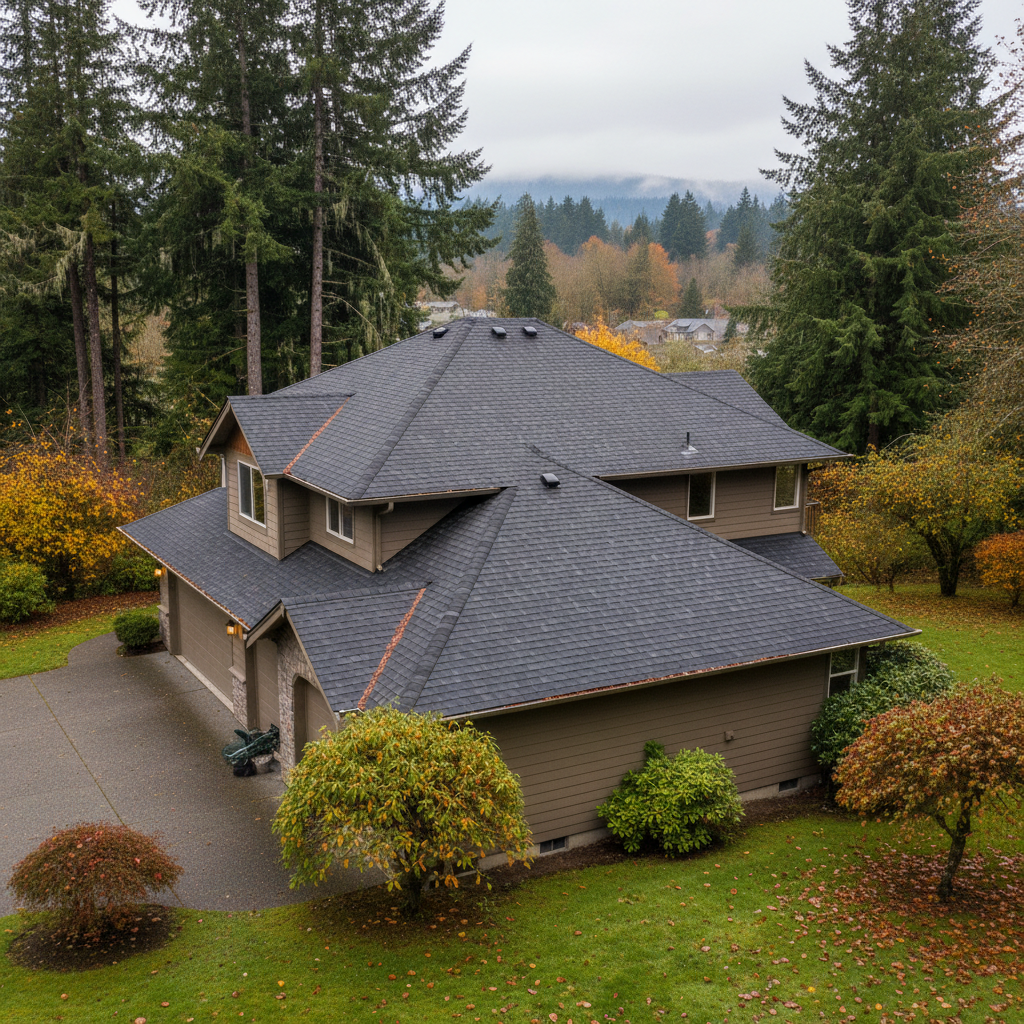
When's the best time to get your roof looked at or replaced here in Sammamish? That's a question I hear all the time, and it's a good one, especially with our Pacific Northwest weather. It's not as simple as picking a sunny day; there's a lot that goes into it, particularly when you're talking about asphalt shingles.
Why Timing Matters for Asphalt Shingles
Asphalt shingles aren't just some material you slap on your roof. They're actually designed to be flexible, to seal up tight, and to stand up to the elements. For them to do their job right, they need specific conditions during installation. That's why timing is so important.
Think about it: those shingles have a self-sealing strip that activates with heat. If it’s too cold, that strip won’t bond properly. If it’s too hot, they can get overly soft and easily damaged while we're putting them on. And if it’s too wet? Well, you just can't install on a soaking wet deck, plain and simple.
The Sammamish Weather Factor: When We Work (and When We Don't)
Our weather here in Sammamish is pretty predictable, but also tricky. We get a lot of rain, especially from October through April. We also get those beautiful, warm, but not scorching, summers. That makes a big difference for roofing work.
- Spring (Late April - June): This is often a sweet spot. You get warmer temperatures, usually fewer heavy downpours than winter, and the ground isn't saturated anymore. Shingles have a good chance to seal properly. It's a busy time for us, so if you're thinking about a project, get on the schedule early.
- Summer (July - Early September): Ideal conditions for asphalt shingle installation. Warm, dry days mean shingles seal quickly and effectively. There's less risk of weather delays. This is when most people want their roofs done, so again, planning ahead is key.
- Fall (Late September - November): This can be a gamble. Early fall can still offer good windows, but as we get deeper into it, the days get shorter, temperatures drop, and the rain starts up again. It's not impossible, but you're more likely to run into weather delays.
- Winter (December - March): Generally, we avoid major asphalt shingle installations during these months unless it's an emergency repair. The cold temperatures prevent the shingles from sealing correctly, and the constant rain and potential for ice make it unsafe and impractical. You don't want a new roof that can't properly seal because it was installed in freezing rain, do you?
We're always watching the forecast. If we've got a job scheduled and the weather turns, we'll communicate that to you right away. Safety for my crew and the quality of your roof are my top priorities. You wouldn't want us rushing through a job in bad weather just to meet a deadline, right?
Protecting Your Investment Year-Round
Once your asphalt shingle roof is up, whether it's brand new or just a few years old, you want it to last. Here's what you can do:
- Regular Inspections: I can’t stress this enough. Even if you don't see an obvious problem, have a professional like Midway Roofing take a look every year or two. We catch small issues before they become big, expensive ones. Things like moss growth, which is rampant in our damp climate, or displaced shingles after a windstorm, are easy to fix if caught early.
- Keep it Clean: Clear your gutters regularly, especially after the leaves fall from those big maples and cedars we have around Sammamish. Clogged gutters mean water backs up, sits on your roof edges, and can cause rot and damage.
- Trim Trees: Overhanging branches can scrape shingles, drop debris, and provide pathways for pests. Keep them trimmed back a few feet from your roofline.
- Watch for Moss and Algae: Our damp climate is a breeding ground for moss and algae. While some products can help, it's best to have a professional safely remove it. Don't go power washing your roof; you'll strip off the granules and shorten its life.
- Ventilation is Key: Make sure your attic is properly ventilated. Good airflow prevents heat and moisture buildup, which can damage your roof from the inside out and increase your energy bills.
Your roof is your home's first line of defense against our Sammamish weather. Taking a little time to understand how it works with our climate, and staying on top of its maintenance, will save you a lot of grief and money down the road. If you've got questions about your roof, or if it's time for an inspection, just give us a call. We're here to help.